Tag: kitchen extraction cleaning

  • Kitchen Extraction Cleaning Checklist: Before, During, and After

    Kitchen Extraction Cleaning Checklist: Before, During, and After

    A kitchen extraction cleaning checklist prevents the nightmare scenario most restaurant owners face when fire officers discover their contractor cut corners. Most restaurant owners have no idea whether their extraction cleaning contractor actually cleaned the system properly until the fire officer shows up.

    Key Takeaways:

    • Pre-clean preparation prevents 40% of cleaning disputes by documenting baseline conditions and access requirements
    • During-clean observation catches substandard work before contractors leave, grease thickness testing shows 23% of ‘completed’ jobs fail minimum standards
    • Post-clean verification with proper documentation protects your insurance coverage and prevents £15,000+ enforcement costs

    What Should You Check Before Kitchen Extraction Cleaning Starts?

    Worker photographing kitchen canopy's grease accumulation areas.

    Pre-clean preparation prevents cleaning disputes. Birmingham Trading Standards reports 40% of extraction cleaning disputes stem from undocumented pre-clean conditions. Document everything before contractors arrive.

    1. Photograph all visible grease accumulation areas. Take pictures of canopy surfaces, filter conditions, and accessible ductwork sections. These images become your baseline for measuring cleaning effectiveness.

    2. Test and document current equipment operation. Record fan motor noise levels, vibration patterns, and airflow measurements if possible. Fan motor failure often indicates inadequate degreasing from previous cleans.

    3. Clear access routes to all extraction components. Move equipment blocking ductwork access panels, canopy sections, and external fan units. Contractors charge extra for access delays discovered on arrival.

    4. Verify contractor BESA registration status. Check the BESA website for current registration. Non-BESA contractors cannot issue valid TR19 certificates, leaving you without proper fire safety documentation.

    5. Confirm grease filter maintenance schedule compliance. Document when filters were last cleaned or replaced. Daily cleaning regime records demonstrate due diligence to inspectors and reduce contractor cleaning time.

    6. Mark problem areas requiring special attention. Use tape or markers to highlight sections with heavy grease buildup, damaged surfaces, or previous cleaning failures. Clear marking prevents contractors from missing critical areas.

    How Do You Monitor Extraction Cleaning Quality While Work Is Happening?

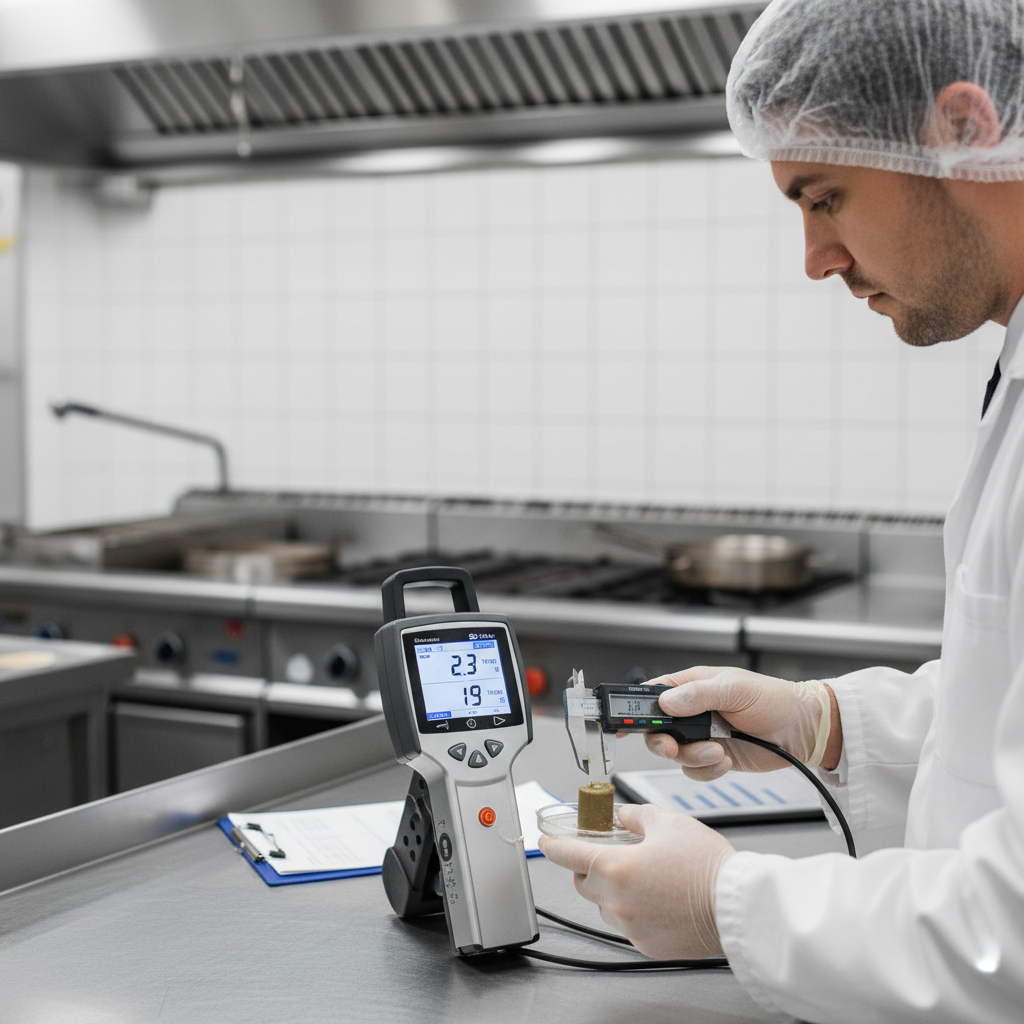
    Contractor inspecting grease thickness on kitchen ductwork.

    During-clean observation identifies substandard work before contractors pack up and leave. TR19 Grease specification requires less than 500 microns grease thickness, testing shows 23% of contractors exceed this after ‘completion’.

    Watch for these quality indicators as work progresses:

    Inspection Point What to Check
    Grease thickness testing Contractor uses calibrated thickness gauge, records measurements below 500 microns
    Access panel removal All ductwork sections opened, not just visible areas
    Cleaning chemical application Degreasing agents applied to all surfaces, adequate contact time allowed
    Time allocation per component Minimum 30 minutes per linear meter of ductwork for proper cleaning
    Visual grease removal No visible grease films remaining on surfaces after cleaning
    Filter condition assessment Filters cleaned to original metal appearance or replaced if damaged

    The kitchen extraction system requires complete degreasing to prevent fire hazards. Contractors rushing through access panels or skipping grease thickness testing create compliance failures that surface during inspections.

    Proper TR19 Grease specification compliance means systematic cleaning of every surface where grease accumulates. Spot-check different ductwork sections during cleaning to verify consistent quality standards throughout the system.

    What Post-Cleaning Verification Steps Protect Your Business?

    Inspector reviewing TR19 certificate in a kitchen setting.

    Post-clean verification protects insurance coverage and regulatory compliance. Fire officers reject 31% of TR19 certificates for missing airflow measurements and grease thickness data.

    • Demand complete TR19 documentation before payment. The certificate must include contractor BESA number, specific grease thickness readings from multiple test points, and calibrated equipment certification dates.

    • Photograph all cleaned surfaces for your records. Take comparison shots showing before and after conditions. These images support insurance claims and demonstrate due diligence to inspectors.

    • Verify airflow measurement readings. Contractors must test and document airflow rates at fan units and key ductwork points. Reduced airflow indicates incomplete cleaning or equipment problems.

    • Check grease filter condition and installation. Filters should appear clean to original metal condition or be newly replaced. Proper installation prevents bypass airflow that defeats extraction effectiveness.

    • Test equipment operation after cleaning. Run fans through full speed ranges, listening for unusual vibration or noise patterns that indicate cleaning damage or remaining obstructions.

    • Confirm warranty coverage terms. BESA contractors provide specific warranty periods for their work. Document what failures they will remedy at no charge and time limits for reporting problems.

    Commercial kitchen fire safety depends on this verification process. Missing documentation creates gaps in your fire risk management that inspectors and insurers will identify.

    Which Red Flags Mean Your Extraction Cleaning Failed?

    Visible grease residue on kitchen ductwork and fan blades.

    Failed cleaning creates fire safety violations that trigger enforcement action. Equipment failure within 30 days of cleaning indicates inadequate degreasing, affects 12% of non-BESA contractor work.

    Visible grease residue patterns reveal incomplete cleaning. Check ductwork joints, fan blade edges, and canopy corners where contractors often miss accumulation. Grease films in these areas indicate surface-level cleaning rather than deep degreasing.

    Airflow reduction after cleaning points to equipment damage or remaining obstructions. Fans should operate more quietly and efficiently after proper cleaning removes grease buildup. Increased noise or vibration suggests cleaning chemicals damaged components or blockages remain.

    Fan motor failure problems appear within weeks of inadequate cleaning. Motors exposed to cleaning chemicals without proper protection develop bearing problems and electrical faults. Professional contractors protect motors during chemical application to prevent damage.

    Grease filter maintenance issues become obvious immediately. Filters that appear partially clean or show grease streaking indicate rushed cleaning procedures. Properly cleaned filters should look like new metal or require replacement if damage occurred during cleaning.

    What Documentation Should You Demand After Kitchen Extraction Cleaning?

    TR19 certificate review in an office setting.

    TR19 certificate is the official document proving extraction system compliance with fire safety regulations. This means your insurance coverage remains valid and fire officers accept your maintenance records during inspections.

    Proper documentation ensures regulatory compliance. Valid TR19 documentation must include contractor BESA number, test equipment calibration dates, and specific grease thickness readings from multiple test points throughout the system.

    The complete TR19 report structure includes photographic evidence of cleaned surfaces, before and after grease thickness measurements, airflow test results from fan units and key ductwork points, and detailed cleaning procedures used for different system components.

    BESA contractor certification appears on all legitimate reports. The contractor’s BESA registration number links to their insurance coverage and professional qualifications. Non-BESA contractors cannot provide valid TR19 certificates regardless of cleaning quality.

    Grease thickness test results must show readings below 500 microns at all test points. Results above this threshold indicate incomplete cleaning that fails TR19 Grease specification requirements. Contractors must re-clean areas exceeding thickness limits at no additional charge.

    Calibration certificates for test equipment prove measurement accuracy. Thickness gauges and airflow meters require annual calibration to provide legally valid readings. Outdated calibration certificates invalidate the entire TR19 report.

    Frequently Asked Questions

    Should I stay in the kitchen while extraction cleaning is happening?

    You should observe key stages but not interfere with contractor access. Monitor grease thickness testing, photograph before and after conditions, and verify access to all ductwork sections. Most BESA contractors prefer owner presence for accountability.

    How long should proper extraction system cleaning actually take?

    Full TR19 cleaning takes 4-8 hours depending on kitchen size and grease accumulation. Canopy-only cleaning takes 2-3 hours. Jobs completed in under 2 hours indicate inadequate ductwork access or rushed cleaning procedures.

    What happens if I spot problems after the contractors have left?

    Document issues immediately with photographs and contact the contractor within 24 hours. BESA-registered contractors must return to remedy defects at no charge. Non-BESA contractors often refuse callback work, leaving you liable for re-cleaning costs.

  • How to Choose a BESA-Registered Extraction Cleaning Company

    How to Choose a BESA-Registered Extraction Cleaning Company

    Every restaurant needs a BESA registered extraction cleaner, but most owners hire the first company who answers the phone, then discover their TR19 compliance certificate isn’t worth the paper it’s printed on when the fire officer visits.

    Key Takeaways:

    • Only contractors with BESA TR19 Grease accreditation can issue certificates that satisfy Regulatory Reform (Fire Safety) Order 2005 requirements
    • Red flag contractors quote without inspecting your system or can’t explain the 200-micron grease threshold test
    • Valid post-clean verification includes WFTT/DTT testing results, photographic evidence, and signed compliance statements

    What Makes BESA Registration Different From Self-Certification?

    Contractor holding TR19 Grease certificate with inspection checklist.

    BESA accreditation is verified TR19 Grease training that qualifies contractors to issue legally compliant certificates. This means only BESA-registered contractors can provide documentation that satisfies fire safety inspectors and insurance assessors.

    The Building Engineering Services Association maintains strict training standards for kitchen extraction cleaning. Contractors must pass technical assessments, demonstrate proper testing procedures, and maintain current insurance coverage. Self-certified cleaners often claim they follow TR19 procedures, but they cannot issue certificates that meet Regulatory Reform (Fire Safety) Order 2005 requirements.

    Self-certification creates a dangerous gap in fire safety compliance. When contractors without BESA accreditation provide cleaning certificates, restaurant owners think they’re protected until a fire officer questions the documentation’s validity. Fire inspectors specifically check for BESA registration numbers on TR19 certificates during compliance audits.

    BESA maintains a public register of accredited contractors that can be verified online. This database shows current registration status, training dates, and any disciplinary actions taken against members.

    How Do You Verify a Contractor’s BESA Accreditation Status?

    Contractor showing BESA registration number with online directory on laptop.

    BESA verification prevents fraudulent certification that could void your insurance coverage.

    1. Ask the contractor for their BESA registration number before any work begins. Legitimate companies provide this information immediately without hesitation.

    2. Check the BESA online member directory using the registration number. The database updates weekly and shows active status, expiration dates, and training certifications.

    3. Request proof of TR19 Grease specialist training certificates. These documents must show recent completion dates and match the contractor’s registered business name exactly.

    4. Verify their insurance coverage includes kitchen extraction cleaning liability. BESA members must maintain minimum coverage levels, but you should confirm current policy status.

    5. Cross-reference the business registration against their BESA listing. Company names, addresses, and contact details must match across all documentation.

    BESA registration numbers follow specific format patterns and can be cross-referenced against the active member database. Any discrepancies in verification should immediately disqualify the contractor from consideration.

    Kitchen Extraction Cleaning Company Red Flags: What to Avoid

    Contractor inspecting kitchen ductwork for grease and test points pre-quote.

    Red flag contractors fail post-clean verification requirements that fire safety inspectors demand.

    • Quoting without physical system inspection indicates the contractor doesn’t understand your specific cleaning requirements. Professional cleaners must assess ductwork access, grease accumulation levels, and testing point locations before pricing.

    • Cannot explain the 200-micron grease threshold test methodology or what WFTT/DTT testing involves. Technical competence shows in their ability to describe measurement procedures and compliance standards clearly.

    • Promises unrealistic completion timeframes without considering system complexity. Thorough extraction cleaning takes 6-12 hours for typical restaurant systems, depending on size and grease buildup.

    • Focuses only on price comparison rather than compliance documentation. Legitimate contractors emphasize certification quality and testing accuracy over cost savings.

    • Offers to “match any competitor’s price” without seeing the system. Professional cleaning costs vary significantly based on access difficulty, grease levels, and testing requirements.

    • Claims all cleaning certificates are “basically the same” regardless of who issues them. This shows fundamental misunderstanding of TR19 compliance requirements.

    Legitimate contractors always conduct pre-clean inspection and explain testing methodology before starting work. They provide detailed quotations that break down cleaning phases, testing procedures, and certification timelines.

    What Should Your Post-Clean TR19 Report Actually Include?

    Technician analyzing grease thickness with compliance instruments in kitchen.

    Valid TR19 certificates contain specific verification elements that prove compliance with fire safety regulations.

    Report Section Required Content Compliance Standard
    Pre-clean measurements Grease thickness readings at test points Below 500 microns maximum
    Post-clean verification Grease residue under 200-micron threshold WFTT/DTT testing results
    Photographic evidence Before/after images of all cleaned surfaces Timestamped with metadata
    Contractor certification BESA registration number and signature Current TR19 Grease accreditation
    Testing methodology Equipment calibration and measurement points Traceable instrument readings
    Compliance statement Signed declaration of regulatory compliance References specific legislation

    Post-clean verification must include detailed testing results, not just “passed” or “failed” notations. Professional reports show actual grease measurement readings, explain any areas requiring additional attention, and provide clear photographic documentation of cleaning quality.

    The certification must reference specific fire safety legislation, particularly the Regulatory Reform (Fire Safety) Order 2005. Generic certificates without legal references fail inspection requirements.

    TR19 certificates must include before/after grease measurement readings and contractor signature with BESA registration number. Missing elements invalidate the entire certification for insurance and fire safety purposes.

    Which Questions Should You Ask Before Hiring Any Extraction Cleaning Company?

    Contractor explaining TR19 Air vs. TR19 Grease to client with visual aids.

    Pre-hire questions reveal contractor competence level and help identify qualified professionals.

    • “What’s the difference between TR19 Air and TR19 Grease specifications, and which applies to my kitchen?” Competent contractors explain that TR19 Grease covers kitchen extraction cleaning while TR19 Air handles general ventilation systems.

    • “How do you measure grease thickness to verify the 200-micron threshold compliance?” Professional cleaners describe WFTT (Wet Film Thickness Tester) or DTT (Dry Film Thickness) measurement procedures and calibration requirements.

    • “What happens if you find grease levels above 500 microns during pre-clean inspection?” Qualified contractors explain extended cleaning procedures and additional testing requirements for heavily contaminated systems.

    • “Does your insurance cover potential fire damage caused by inadequate cleaning?” Professional liability coverage must include kitchen fire incidents related to extraction cleaning failures.

    • “How do you handle scheduling to minimize kitchen disruption during service hours?” Experienced contractors work around peak service times and coordinate with kitchen management for optimal timing.

    • “What documentation do you provide for insurance renewals and fire safety inspections?” Complete certification packages include all elements required by Regulatory Reform (Fire Safety) Order 2005 compliance.

    Qualified contractors can explain the difference between TR19 Air and TR19 Grease specifications and which applies to your kitchen. They discuss technical requirements confidently and provide specific examples from similar cleaning projects.

    Frequently Asked Questions

    Can non-BESA contractors legally clean kitchen extraction systems?

    Yes, any contractor can physically clean extraction systems. However, only BESA-registered contractors with TR19 Grease accreditation can issue certificates that satisfy fire safety regulations and insurance requirements. Non-BESA cleaning leaves you without valid compliance documentation.

    How much more do BESA registered contractors charge compared to unregistered cleaners?

    BESA contractors charge 15-25% more than unregistered cleaners. This reflects their training costs, insurance requirements, and proper testing equipment needed for compliant certification. The price difference covers legitimate compliance documentation that protects your business.

    What happens if you use a non-BESA contractor and have a kitchen fire?

    Your insurance claim may be rejected if you can’t provide a valid TR19 certificate from a BESA-registered contractor. Fire investigators check cleaning documentation when determining liability and compliance failures. Invalid certificates can void coverage entirely, leaving you personally liable for fire damage costs.

  • Kitchen Extraction Cleaning: The Complete Guide for Commercial Kitchens

    Kitchen Extraction Cleaning: The Complete Guide for Commercial Kitchens

    Kitchen extraction cleaning prevents the grease buildup that kills people in commercial kitchen fires. Every restaurant, takeaway, and pub kitchen needs professional degreasing to stay legal, insured, and safe. Birmingham’s extraction cleaning services must meet TR19 standards to satisfy the Regulatory Reform Fire Safety Order and keep your doors open.

    Key Takeaways:

    • TR19 Grease mandates professional cleaning every 12 weeks for heavy-use kitchens, with fines up to £5,000 for non-compliance
    • BESA-registered contractors charge £800-£2,500 for full system cleaning depending on kitchen size and contamination level
    • Birmingham’s 1,048 takeaways face the UK’s second-highest grease fire risk due to high-volume cooking and aging extraction systems

    What Is Kitchen Extraction Cleaning and Why It Matters

    Contractors cleaning kitchen ventilation with degreasing chemicals.

    Kitchen extraction cleaning is the systematic removal of grease deposits from commercial ventilation ductwork, fans, filters, and canopies using specialist degreasing chemicals and equipment. This means trained contractors strip away the combustible fat layers that turn kitchen fires into deadly infernos.

    Your kitchen extraction system pulls cooking vapors, steam, and grease particles through filters, ducts, and external discharge points. Over time, grease condenses and hardens inside this network, creating fuel for fires that spread faster than anyone can escape.

    70% of commercial kitchen fires trace back to grease accumulation in extraction systems. When grease ignites in the ductwork, flames race through the entire building structure within minutes. Fire doors can’t contain extraction fires because they burn inside the walls.

    Commercial kitchen fire safety depends entirely on removing this grease before it reaches ignition temperature. Regular filter changes aren’t enough. The entire system needs professional degreasing to eliminate fire risk and satisfy legal obligations under the Regulatory Reform Fire Safety Order 2005.

    Restaurant extraction cleaning contractors use TR19-compliant methods to access hidden areas where grease accumulates. They document contamination levels, clean to specification, and provide certificates that satisfy insurance requirements and regulatory inspections.

    Fire officers know the warning signs of neglected extraction systems. Visible grease dripping from canopies, blackened filters, and poor ventilation performance signal immediate closure risk. Birmingham’s commercial kitchen fire risk increases every day without proper extraction maintenance.

    How Does Professional Kitchen Extraction Cleaning Work?

    BESA contractor cleaning kitchen as per TR19 protocols.

    BESA contractors follow TR19 Grease cleaning protocols that involve seven distinct stages from isolation to certification. The process requires specialist equipment, approved chemicals, and documented verification at every step.

    Here’s how professional extraction cleaning works:

    1. Pre-cleaning assessment and system isolation – Contractors map your extraction layout, identify access points, and shut down all electrical systems safely before starting work.

    2. Removable component cleaning – All filters, grease traps, and accessible ductwork sections get removed and cleaned in specialist degreasing baths off-site.

    3. Internal ductwork degreasing – Teams use extending spray lances and high-pressure cleaning systems to reach deep inside vertical and horizontal ductwork where grease accumulates.

    4. Fan and motor cleaning – Extract fans require complete dismantling to clean grease from blades, housings, and motor assemblies without damaging electrical components.

    5. Canopy and plenum cleaning – The visible canopy area gets stripped back to bare metal, removing all grease deposits from surfaces, joints, and lighting fixtures.

    6. External discharge cleaning – Roof-mounted discharge points, weatherproof cowls, and external ductwork receive the same degreasing treatment as internal systems.

    7. Post-clean verification and certification – BESA contractors measure remaining grease levels, photograph clean surfaces, and issue TR19 certificates that satisfy insurance and regulatory requirements.

    The entire process takes 6-12 hours depending on system size and contamination levels. Teams protect your kitchen equipment with plastic sheeting and clean up all degreasing residue before leaving. You get detailed before/after photographs proving the work meets TR19 standards.

    TR19 cleaning process certification requires BESA registration because only accredited contractors can access the technical specifications and issue valid compliance certificates. Non-BESA cleaning might look clean but won’t satisfy insurance claims or regulatory inspections.

    UK Kitchen Extraction Cleaning Regulations: What You Must Know

    Kitchen extraction system being inspected for fire safety compliance.

    The Regulatory Reform Fire Safety Order 2005 makes you legally responsible for extraction system fire safety in your commercial kitchen. TR19 Grease specification defines how cleaning must be carried out to satisfy this obligation.

    Requirement RRO 2005 TR19 Grease Insurance Obligation
    Legal Status Statutory law Industry specification Contractual requirement
    Responsible Person Employer/business owner Kitchen operator Policyholder
    Cleaning Frequency “Suitable and sufficient” 12/26/52 weeks by usage As per TR19 standards
    Contractor Requirements “Competent person” BESA registered only BESA preferred/mandatory
    Documentation Fire risk assessment TR19 certificate Valid compliance certificate
    Penalty for Non-Compliance Unlimited fine + 2 years prison No direct penalty Void coverage + claim rejection
    Enforcement Agency Fire and Rescue Service BESA audit (voluntary) Insurance loss adjusters

    RRO 2005 violations carry unlimited fines and up to 2 years imprisonment for responsible persons. The “responsible person” means you – the business owner, employer, or person in control of the premises. You cannot delegate this legal responsibility to your chef or kitchen manager.

    Fire officers expect professional extraction cleaning at intervals that prevent dangerous grease accumulation. They don’t specify TR19, but they do require “suitable and sufficient” fire precautions. In practice, this means following TR19 Grease or proving your alternative approach works better.

    Insurance policies increasingly mandate BESA-registered TR19 compliance for kitchen fire coverage. Policies written after 2019 commonly include specific extraction cleaning clauses that void coverage if you can’t produce valid certificates. Your insurer will request TR19 documentation before paying any fire claim.

    TR19 compliance also satisfies Environmental Health Officer requirements for food business registration. EHOs can serve improvement notices for fire safety defects that affect food safety, including contaminated extraction systems. Birmingham City Council’s commercial kitchen inspections always check extraction cleanliness and maintenance records.

    The specification exists because kitchen fires kill. TR19 Grease represents 30 years of fire investigation data, engineering research, and insurance claim analysis. Following it keeps you legal, insured, and alive.

    How Often Should Commercial Kitchen Extraction Be Cleaned?

    High-volume kitchen with visible grease deposits.

    Cleaning frequency depends on your kitchen’s usage tier classification under TR19 Grease specification. High-volume cooking creates more grease, requiring more frequent professional cleaning to prevent fire risk.

    Usage Tier Cleaning Interval Kitchen Examples Grease Accumulation Rate
    Heavy Use Every 12 weeks Takeaways, fast food, 24-hour venues Visible buildup within 8-10 weeks
    Medium Use Every 26 weeks Standard restaurants, pubs, cafes Moderate accumulation over 20-24 weeks
    Light Use Annually Occasional catering, low-volume prep Minimal grease deposits over 10-12 months
    Specialist Variable Bakeries, coffee shops, sandwich bars Depends on cooking method and oils used

    TR19 defines usage tiers by cooking hours, meal volumes, and grease-producing cooking methods. Heavy-use kitchens operate more than 6 hours daily with high-temperature frying, grilling, or wok cooking. Birmingham’s takeaway sector falls into heavy use due to continuous frying and extended operating hours.

    Medium-use classification covers most restaurant kitchens serving 50-200 covers daily with mixed cooking methods. Light use applies to venues with minimal cooking or occasional catering operations.

    Your usage tier determines legal compliance intervals, but actual cleaning needs may vary. Kitchens using palm oil, ghee, or other high-melting-point fats accumulate grease faster than TR19 base assumptions. Aging extraction systems with poor airflow also need more frequent cleaning.

    Fire officers and insurance assessors expect you to monitor grease accumulation between professional cleans. Visible dripping, filter saturation, or poor ventilation performance signals immediate cleaning needs regardless of your scheduled interval.

    Skipping scheduled cleans or extending intervals beyond TR19 recommendations voids insurance coverage and creates prosecution risk under RRO 2005. The penalty for non-compliance includes unlimited fines plus potential manslaughter charges if someone dies in a preventable fire.

    Kitchen Extraction Cleaning Costs: What to Expect in 2024

    Kitchen size and contamination levels being evaluated.

    BESA-registered contractors charge £800-£2,500 for complete extraction system cleaning depending on kitchen size, access difficulty, and grease contamination levels. Birmingham’s commercial kitchen market shows consistent pricing across registered operators.

    Here’s what affects your cleaning quote:

    • Kitchen size and ductwork complexity – Small takeaway operations with single-run ductwork cost £800-£1,200, while large restaurant kitchens with multiple extract points and roof-level plant rooms reach £2,000-£2,500 for complete cleaning.

    • Contamination level and neglect duration – Heavily contaminated systems requiring multiple cleaning cycles and specialist degreasing chemicals add 30-50% to base costs due to extended labor and chemical usage.

    • Access restrictions and working conditions – Roof work, confined space entry, or cleaning during operating hours increases costs due to safety equipment, access platforms, and disruption management requirements.

    • BESA registration premium – Accredited contractors charge 15-25% more than unregistered operators but provide insurance-valid TR19 certification that non-BESA companies cannot legally issue.

    • Birmingham market rates – West Midlands pricing reflects higher labor costs and travel time compared to rural areas, but competitive contractor availability keeps prices reasonable for standard cleaning cycles.

    Cheaper quotes from non-BESA contractors seem attractive but create compliance problems. Insurance companies reject fire claims where cleaning certificates come from unregistered operators. Environmental Health Officers and fire officers also question non-BESA documentation during inspections.

    Budget £1,000-£1,500 annually for heavy-use kitchen extraction cleaning, including quarterly professional cleans plus filter replacement and basic maintenance. Medium-use kitchens need £600-£900 yearly for bi-annual cleaning cycles.

    Request itemized quotes that separate ductwork cleaning, fan maintenance, and certification costs. Good contractors explain their TR19 compliance process and provide fixed-price agreements for regular cleaning cycles.

    Do You Need Professional Kitchen Extraction Cleaning?

    Contractor cleaning kitchen extraction system for legal compliance.

    All commercial kitchens require professional extraction cleaning under the Regulatory Reform Fire Safety Order 2005. You cannot legally self-clean extraction systems for compliance purposes because the law demands “competent person” maintenance that only trained contractors can provide.

    RRO 2005 applies to every business premises where people work, including takeaways, restaurants, pubs, hotels, care homes, schools, and workplace canteens. If you cook food commercially, you need professional extraction cleaning regardless of kitchen size or cooking volume.

    Self-cleaning limitations make DIY extraction maintenance impossible for compliance. You lack the specialist chemicals, pressure washing equipment, and confined space safety training required for internal ductwork access. More importantly, you cannot issue the TR19 certificates that insurance companies and regulators expect.

    Insurance policies increasingly specify professional extraction cleaning requirements in their fire coverage terms. Policies written after 2019 commonly include BESA registration clauses that void claims where cleaning comes from unregistered contractors or self-maintenance attempts.

    Environmental Health Officers can issue immediate closure notices for severely contaminated extraction systems that pose fire risks to staff and customers. Birmingham City Council’s EHO team regularly encounters extraction systems so contaminated they represent imminent danger to public safety.

    Fire officers also have closure powers under RRO 2005 where extraction systems create unacceptable fire risks. They expect documented professional maintenance and can prosecute responsible persons who ignore their improvement notices.

    The consequences of avoiding professional cleaning include unlimited fines, criminal prosecution, insurance claim rejection, and potential manslaughter charges if someone dies in a preventable kitchen fire. Professional extraction cleaning costs £800-£2,500 annually – a small price for staying legal, insured, and alive.

    Frequently Asked Questions

    Can I clean my kitchen extraction system myself?

    You cannot legally self-clean commercial kitchen extraction systems for compliance purposes. The Regulatory Reform (Fire Safety) Order 2005 requires professional cleaning by qualified contractors who can provide valid certification for insurance and enforcement purposes.

    What happens if I don’t clean my kitchen extraction system?

    Non-compliance with extraction cleaning requirements can result in unlimited fines under RRO 2005, immediate kitchen closure by Environmental Health Officers, and void insurance coverage in case of fire. The responsible person faces potential criminal prosecution if a fire occurs.

    How do I find BESA registered extraction cleaners near me?

    BESA maintains an online directory of accredited contractors by region. Only BESA-registered companies can provide TR19-compliant cleaning with certificates that satisfy insurance requirements and regulatory compliance audits.

    What is TR19 kitchen extraction cleaning?

    TR19 Grease is the official specification for commercial kitchen extraction cleaning published by BESA. It defines cleaning methods, frequency requirements, and certification standards that satisfy UK fire safety regulations and insurance compliance obligations.