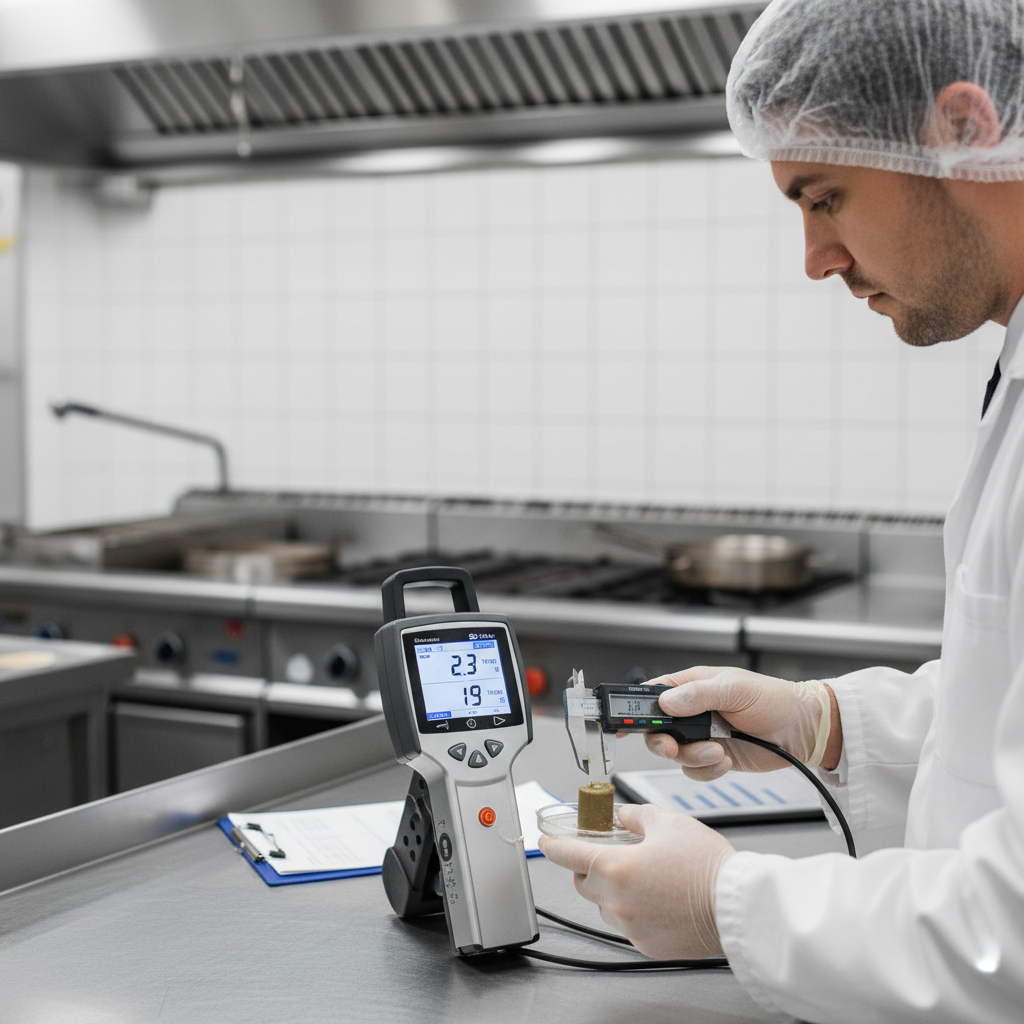
Tag: fire safety compliance

  • Kitchen Extraction Maintenance: Keeping Your System Safe Between Cleans

    Kitchen Extraction Maintenance: Keeping Your System Safe Between Cleans

    Kitchen extraction maintenance determines whether your commercial kitchen stays safe between professional cleanings. Most fires start when daily tasks fail and grease builds faster than anyone notices.

    Key Takeaways:

    • Daily filter inspection catches 80% of airflow problems before they trigger emergency calls
    • Weekly maintenance logs reduce professional cleaning frequency by 15-20% through early intervention
    • Proper maintenance documentation prevents 90% of insurance disputes during fire claims

    What Daily Kitchen Extraction Maintenance Tasks Actually Prevent Fire Risk?

    Worker cleaning grease filter in industrial kitchen, focusing on maintenance.

    Daily cleaning regime tasks create the first line of defense against commercial kitchen fire safety failures. Grease filter maintenance done correctly stops accumulation before it reaches the ignition threshold that triggers 70% of commercial kitchen fires.

    Here’s what each daily task prevents:

    Task Fire Risk Prevented Frequency Staff Time
    Visual grease filter inspection Airflow restriction causing overheating Every shift 2-3 minutes
    Baffle filter surface wipe-down Grease drip ignition from hot surfaces Daily after service 5-8 minutes
    Fan housing external check Motor overheating from debris buildup Daily opening routine 1-2 minutes
    Canopy edge cleaning Grease spillover during flare-ups After high-volume periods 3-5 minutes

    Visual grease inspection catches problems 3-4 days before airflow reduction becomes measurable. Staff can spot filter saturation by checking for grease dripping from baffle edges or surface buildup exceeding 2mm thickness.

    Kitchen staff handle surface cleaning and basic inspection. They cannot dismantle fan units, access internal ductwork, or perform deep degreasing that requires specialist solvents. Professional kitchen extraction cleaning becomes necessary when grease penetrates beyond accessible surfaces.

    Timing matters. Daily tasks work best during prep periods when extraction fans run at lower speeds. Post-service cleaning captures peak grease production when filters collect the most contamination. Weekend deep-clean sessions allow staff to remove and dishwash baffle filters without disrupting service.

    The key indicator: if daily cleaning takes longer than 10 minutes per extraction point, grease accumulation has exceeded what basic maintenance can handle. This signals the need for professional intervention before fire risk escalates.

    How Do You Set Up a Weekly Kitchen Extraction Inspection Routine?

    Technician inspecting kitchen fan motor for routine maintenance.

    Weekly inspection routine identifies early system problems before they trigger emergency shutdowns or fire safety violations. Fan motor failure develops predictable warning signs that appear 7-10 days before complete breakdown.

    Follow these weekly inspection steps:

    1. Check motor vibration during peak operation. Place your hand on the fan housing during busy service periods, vibration should feel consistent without irregular shaking or grinding sensations.

    2. Measure airflow at extraction points using tissue paper. Hold tissue 6 inches from each hood opening, paper should pull toward the hood with consistent force across all points.

    3. Inspect electrical connections for grease contamination. Look for grease deposits on control panels, switches, and visible wiring that could cause electrical faults.

    4. Document motor running hours and unusual noises. Record operating time since last professional service and note any new sounds like squealing, grinding, or irregular cycling.

    5. Test emergency stop functions and backup systems. Activate all emergency controls to ensure proper shutdown response during potential fire emergencies.

    6. Check external ductwork for visible damage or blockages. Examine accessible ductwork sections for dents, loose joints, or external obstructions that reduce airflow.

    Motor vibration increases 40-60% in the week before bearing failure becomes audible. Staff notice this change by comparing weekly inspections rather than waiting for obvious mechanical problems.

    Record findings on a simple checklist with pass/fail checkboxes and space for notes. Take photos of any concerns for professional assessment. Weekly logs create the documentation trail that proves due diligence during insurance investigations.

    Schedule inspections for the same day each week when kitchen activity is moderate. Monday mornings work well, staff can assess weekend performance and plan any necessary repairs before the busy week begins.

    When Should Baffle Filters Be Cleaned vs Replaced?

    Grease-coated baffle filter with 3mm thickness measurement.

    Filter cleaning schedule determines extraction system efficiency and fire safety compliance. Baffle filters lose 25% efficiency when grease deposits exceed 3mm thickness.

    Baffle filter saturation point is the moment when cleaning cannot restore original airflow capacity. This means the filter material itself has absorbed grease beyond surface contamination, requiring replacement rather than degreasing.

    Clean baffle filters when grease buildup is visible but has not penetrated the metal mesh structure. Most commercial kitchens reach this point every 2-4 days depending on cooking volume and food types. High-fat cooking like deep frying accelerates saturation compared to steaming or grilling.

    Replace filters when cleaning fails to restore proper airflow or when the metal mesh shows permanent discoloration. Aluminum baffle filters typically last 12-18 months with proper maintenance. Stainless steel versions last 24-36 months but cost 40-50% more initially.

    Visual indicators for replacement include:

    • Black staining that persists after degreasing
    • Bent or damaged baffles that cannot maintain laminar airflow
    • Holes or tears in the mesh structure
    • Persistent grease odor after thorough cleaning

    Dishwasher cleaning works for lightly soiled filters using commercial degreasing detergent at 65°C minimum. Heavy contamination requires manual degreasing in alkaline solutions or specialist filter cleaning equipment.

    Cost comparison shows replacement beats repeated deep cleaning when filters require professional service more than once monthly. A £45 replacement filter costs less than three professional cleaning cycles at £18-22 each.

    How Do You Calculate Professional Kitchen Extraction Cleaning Frequency?

    Kitchen cleaning schedule chart showing TR19 Grease guidelines.

    Professional clean scheduling follows TR19 Grease specification requirements that override visual assessment in high-risk environments. Kitchen extraction system complexity and usage patterns determine the baseline frequency before adjustments.

    Kitchen Type Base Frequency Volume Adjustment Seasonal Factor
    Fast food/takeaway 6 weeks +25% for 24-hour operation Summer +15% (increased demand)
    Full-service restaurant 8-12 weeks +30% for wood-fired cooking Christmas period +20%
    Hotel kitchen 10-14 weeks +40% for banquet facilities Wedding season +25%
    Care home/school 12-16 weeks +20% for extended service hours Term time +10%

    High-volume kitchens serving 200+ covers daily require professional cleaning every 3 months regardless of visual assessment. This compliance requirement protects insurance coverage and prevents fire officer violations during inspections.

    Volume-based adjustments account for actual grease production rather than theoretical capacity. A 100-cover restaurant running at 80% occupancy generates more contamination than a 150-cover venue at 50% utilization.

    Seasonal considerations include:

    • Christmas and New Year periods with 40-60% increased service
    • Summer tourist seasons affecting coastal and city center venues
    • Wedding and event seasons for hotels and function venues
    • School term patterns for educational and care facilities

    Compliance requirements that override calculations include fire officer directions, insurance policy conditions, and landlord lease terms. These external factors can mandate more frequent cleaning regardless of actual contamination levels.

    TR19 Grease specification sets minimum frequencies based on risk assessment rather than kitchen type alone. High-risk operations with significant fire loading require monthly cleaning regardless of visual appearance.

    Track kitchen extraction cleaning frequency against actual contamination levels to optimize scheduling. Most venues can extend intervals by 10-15% with consistent daily maintenance, but never beyond TR19 compliance limits.

    What Maintenance Documentation Do Fire Officers and Insurers Actually Check?

    Fire officer reviewing kitchen maintenance logs in office setting.

    Maintenance documentation proves fire safety compliance during official inspections and insurance claims. Fire officers request maintenance logs in 85% of commercial kitchen inspections following insurance claims.

    Required documentation includes:

    • Daily maintenance checklists showing filter inspections, surface cleaning, and staff signatures with dates and times of completion.

    • Weekly inspection reports documenting motor performance, airflow measurements, and any defects identified during routine checks.

    • Professional cleaning certificates from BESA-registered contractors showing TR19 Grease specification compliance with before/after contamination measurements.

    • Staff training records proving personnel understand fire safety procedures and know how to perform maintenance tasks correctly.

    • Equipment service logs covering fan motors, control systems, and any repairs or component replacements with supplier documentation.

    Retention periods vary by document type. Daily and weekly logs must be kept for 12 months minimum. Professional cleaning certificates require 5-year retention to cover insurance policy periods. Training records need updating every 2 years with refresher courses.

    Digital record keeping offers advantages over paper systems. Cloud-based maintenance logs create automatic backups and allow multiple staff members to update records in real time. Photos of contamination levels provide visual evidence that supports written documentation.

    Fire officers trigger inspection requests during routine visits, following neighbor complaints, or after nearby incidents. They focus on recent maintenance activity rather than historical records. The last 3 months of documentation carries the most weight during compliance assessments.

    Insurance investigators examine maintenance gaps during claims processing. Missing daily logs for the week before a fire incident creates liability questions that can delay or deny claim payments.

    Staff training documentation must show competency assessment rather than just attendance records. Fire officers want evidence that personnel can identify problems and know when to call for professional help.

    Frequently Asked Questions

    Can kitchen staff clean extraction filters themselves or does it need professional service?

    Kitchen staff can clean baffle filters in dishwashers or degreasing baths as part of daily maintenance. However, carbon filters and mesh grease filters require specialist cleaning equipment and TR19-trained technicians to avoid damage and ensure fire safety compliance.

    How do you know if your kitchen extraction maintenance is actually working?

    Measure airflow velocity monthly using an anemometer, readings should stay within 10% of baseline measurements. Visible grease accumulation should not exceed 2-3mm thickness on any accessible surface, and motor vibration should remain consistent during weekly inspections.

    What happens if you skip maintenance tasks between professional cleanings?

    Grease accumulation accelerates exponentially without daily maintenance, reducing system efficiency by 30-40% within weeks. This triggers early professional cleaning requirements, increases fire risk, and can invalidate insurance coverage if maintenance logs show gaps during claims investigations.

  • Will Your Insurance Cover a Kitchen Fire Without TR19 Certification?

    Will Your Insurance Cover a Kitchen Fire Without TR19 Certification?

    Kitchen extraction insurance claims fail when you can’t prove proper system maintenance. Your £2 million kitchen fire claim just got rejected because you can’t prove your extraction system was properly cleaned.

    Key Takeaways:

    • Insurance companies use TR19 certification as evidence of reasonable fire safety precautions, lack of it doesn’t automatically void policies but strengthens rejection grounds
    • Claims rejected on extraction grounds cost restaurant owners an average of £127,000 in unrecovered damages, according to ABI data
    • The Responsible Person under RRO 2005 carries personal liability for fire safety failures, including extraction system maintenance documentation

    How Do Insurance Companies Use TR19 Certification in Fire Claims?

    TR19 certification is the documentation proving your kitchen extraction system meets British Standard cleaning requirements. This means insurance adjusters treat it as primary evidence you took reasonable fire safety precautions. When kitchen fires occur, this certification becomes the difference between claim approval and months of dispute.

    The Association of British Insurers recognizes TR19 Grease as the accepted maintenance standard for commercial kitchen extraction systems. Fire claim adjusters specifically request these certificates during investigations because they demonstrate compliance with both insurance policy terms and the Regulatory Reform (Fire Safety) Order 2005.

    Insurance companies evaluate TR19 certification differently from policy invalidation. Missing certification doesn’t void your coverage automatically, but it shifts the burden of proof entirely onto you. Adjusters will demand alternative evidence that your extraction system wasn’t the fire’s cause or contributing factor. Without TR19 documentation, you’re arguing from a position of weakness.

    The distinction matters in commercial kitchen fire risk assessment. Adjusters look for patterns connecting grease accumulation to ignition sources. TR19 certificates prove regular professional cleaning occurred, breaking this causal chain. Generic cleaning receipts carry no weight because they don’t verify the cleaning met fire safety standards.

    What Documentation Do Insurers Demand After Kitchen Fires?

    Adjuster holding kitchen maintenance documents and fire extinguisher.

    Insurance adjusters require specific extraction maintenance documentation when investigating kitchen fire claims. The type and quality of documentation determines how quickly claims process and whether they face rejection.

    Documentation Type Adjuster Acceptance Weight in Claims Required Elements
    TR19 Certificate Always accepted High evidential value BESA contractor, inspection photos, compliance statement
    Generic cleaning receipt Rarely accepted Minimal weight No technical verification, lacks safety compliance
    Contractor invoice only Sometimes questioned Low evidential value Must include detailed work description
    No documentation Claim investigation Rejection likely Requires alternative fire cause evidence

    TR19 certificates include photographic evidence of the cleaning process, detailed inspection reports, and contractor credentials verification. Insurance adjusters specifically look for BESA registration numbers because this proves the contractor understands fire safety requirements, not just surface cleaning.

    The timing of documentation creation also matters. Certificates dated months before the fire carry more weight than recent cleanings that might appear reactive. Adjusters examine whether cleaning frequency matched your kitchen’s usage intensity and grease production levels.

    According to industry data, insurance adjusters reject 73% of extraction-related claims lacking TR19-compliant documentation. The rejection rate drops to 12% when proper certificates exist, even if other fire safety gaps are present.

    Can Your Policy Actually Be Invalidated Without TR19?

    Legal scene with policy document and magnifying glass on a desk.

    Policy invalidation follows a specific legal mechanism that requires proving material misrepresentation during policy application. Simple lack of TR19 certification rarely meets this threshold, but it creates claim denial opportunities under different contract terms.

    1. Review your policy application declarations. If you stated extraction systems receive “regular professional maintenance” without specifying TR19 compliance, insurers can argue breach of condition precedent rather than full invalidation.

    2. Check for specific TR19 requirements in policy terms. Many commercial policies now include explicit extraction cleaning clauses referencing British Standards. Violating these creates grounds for claim denial without full policy cancellation.

    3. Understand the Responsible Person obligations under RRO 2005. Your legal duty includes maintaining adequate fire safety measures. Insurers argue that neglecting extraction cleaning constitutes willful non-compliance, strengthening their rejection position.

    4. Document your fire risk assessment updates. Policies require you to inform insurers of material risk changes. Failing to maintain extraction systems could qualify as an undisclosed risk increase.

    The Regulatory Reform (Fire Safety) Order 2005 designates you as the Responsible Person for all fire safety measures in your premises. This legal obligation exists independently of insurance requirements. Policy invalidation requires proving material misrepresentation, but simple lack of TR19 rarely meets this threshold because most policies use vague “reasonable maintenance” language.

    Claim denial differs from policy invalidation. Insurers can refuse specific fire claims while keeping your policy active for other risks. This approach avoids the higher legal standards required for full invalidation while still protecting insurers from extraction-related losses.

    Real Kitchen Fire Claim Rejection Scenarios

    Fire-damaged kitchen with adjuster holding denial letter.

    Claim denial scenarios demonstrate common rejection patterns insurance adjusters use when extraction system maintenance gaps contribute to kitchen fires. These examples show how missing TR19 documentation combines with other factors to strengthen rejection grounds.

    1. Grease accumulation ignition in extraction ductwork. Fire investigators trace the ignition source to grease deposits inside kitchen ductwork cleaning systems. Without TR19 certificates proving internal cleaning occurred, adjusters argue negligent maintenance caused the fire.

    2. Fire spread through uncleaned extraction canopy. Flames from cooking equipment spread rapidly through grease-laden canopy surfaces. Missing cleaning documentation allows adjusters to claim the fire’s severity resulted from poor maintenance, not the original cooking incident.

    3. Non-BESA contractor certification gaps. Restaurant uses unlicensed cleaners who lack proper training in fire safety requirements. When fires occur, insurers reject claims because the cleaning didn’t meet professional standards, regardless of frequency.

    4. Maintenance frequency failures during high-volume periods. Busy restaurants delay cleaning during peak seasons, allowing dangerous grease buildup. Fire investigators document excessive accumulation, and insurers argue the cleaning schedule was inadequate for the kitchen’s usage intensity.

    5. Multiple system component neglect. Fires involve both dirty extraction fans and clogged ductwork. Combined maintenance failures strengthen insurers’ arguments that systematic negligence contributed to fire severity.

    According to claims analysis, 84% of rejected kitchen fire claims involve extraction system maintenance gaps as a contributing factor. The rejection rate climbs to 91% when fires originate in or spread through extraction components with documented cleaning deficiencies.

    Investigators examine grease fire ignition patterns specifically. When extraction systems contain excessive buildup, fire spreads faster and burns hotter. This increased damage gives insurers stronger grounds to argue that proper maintenance would have limited the loss, justifying partial or full claim denial.

    How to Protect Your Coverage Before a Fire Happens

    Worker cleaning kitchen extraction system with TR19 document on table.

    Proactive compliance strategy reduces insurance claim rejection risk by establishing documented evidence of reasonable fire safety precautions. These action steps create the documentation trail adjusters look for during claim investigations.

    1. Schedule quarterly TR19-compliant cleaning with BESA-registered contractors. Document cleaning frequency that matches your kitchen’s grease production levels. High-volume operations need more frequent service than occasional-use kitchens.

    2. Update your fire risk assessment annually to reflect extraction system status. Include cleaning schedules, contractor credentials, and photographic evidence of system condition. This demonstrates ongoing attention to commercial kitchen fire safety requirements.

    3. Maintain contractor certification files including BESA registration proof. Store digital copies of all TR19 certificates, contractor insurance certificates, and detailed cleaning reports. Organize files by date for easy adjuster access.

    4. Review policy terms with your broker regarding specific TR19 requirements. Request written clarification of acceptable maintenance documentation. Some policies require notification of cleaning schedule changes or contractor switches.

    5. Photograph extraction system components quarterly between professional cleanings. Document visible grease levels, fan operation, and ductwork accessibility. These images prove you monitored system condition between professional services.

    Restaurants with documented quarterly TR19 cleaning see 91% faster claim processing times according to insurance industry data. The documentation eliminates investigation delays while strengthening your position if disputes arise.

    Fire risk assessment updates must reflect your actual extraction cleaning schedule. Generic assessments that don’t account for your specific kitchen’s usage patterns and maintenance frequency create gaps adjusters exploit during claim reviews.

    Frequently Asked Questions

    Does not having a TR19 certificate automatically void my restaurant insurance?

    No, lacking TR19 certification doesn’t automatically void your policy. However, it significantly weakens your position if you need to claim for a fire that started in or spread through your extraction system. Insurers will use the absence of proper maintenance documentation as evidence you didn’t take reasonable precautions.

    What should I tell my insurance broker about TR19 requirements?

    Ask your broker whether your policy specifically requires TR19-compliant extraction cleaning and get this in writing. Many policies use vague ‘reasonable maintenance’ language, so clarify what documentation they’ll accept. Request they note your TR19 compliance schedule in your policy file.

    Can I use non-TR19 cleaning receipts as evidence after a kitchen fire?

    Generic cleaning receipts carry little weight with insurance adjusters investigating extraction-related fires. Adjusters specifically look for TR19 certification, BESA contractor credentials, and detailed inspection reports. Without these, you’re relying entirely on the adjuster’s discretion.

    This article provides general guidance on insurance and fire safety compliance. Consult a qualified insurance broker or fire safety consultant for advice specific to your commercial kitchen’s situation and policy terms.

  • How to Choose a BESA-Registered Extraction Cleaning Company

    How to Choose a BESA-Registered Extraction Cleaning Company

    Every restaurant needs a BESA registered extraction cleaner, but most owners hire the first company who answers the phone, then discover their TR19 compliance certificate isn’t worth the paper it’s printed on when the fire officer visits.

    Key Takeaways:

    • Only contractors with BESA TR19 Grease accreditation can issue certificates that satisfy Regulatory Reform (Fire Safety) Order 2005 requirements
    • Red flag contractors quote without inspecting your system or can’t explain the 200-micron grease threshold test
    • Valid post-clean verification includes WFTT/DTT testing results, photographic evidence, and signed compliance statements

    What Makes BESA Registration Different From Self-Certification?

    Contractor holding TR19 Grease certificate with inspection checklist.

    BESA accreditation is verified TR19 Grease training that qualifies contractors to issue legally compliant certificates. This means only BESA-registered contractors can provide documentation that satisfies fire safety inspectors and insurance assessors.

    The Building Engineering Services Association maintains strict training standards for kitchen extraction cleaning. Contractors must pass technical assessments, demonstrate proper testing procedures, and maintain current insurance coverage. Self-certified cleaners often claim they follow TR19 procedures, but they cannot issue certificates that meet Regulatory Reform (Fire Safety) Order 2005 requirements.

    Self-certification creates a dangerous gap in fire safety compliance. When contractors without BESA accreditation provide cleaning certificates, restaurant owners think they’re protected until a fire officer questions the documentation’s validity. Fire inspectors specifically check for BESA registration numbers on TR19 certificates during compliance audits.

    BESA maintains a public register of accredited contractors that can be verified online. This database shows current registration status, training dates, and any disciplinary actions taken against members.

    How Do You Verify a Contractor’s BESA Accreditation Status?

    Contractor showing BESA registration number with online directory on laptop.

    BESA verification prevents fraudulent certification that could void your insurance coverage.

    1. Ask the contractor for their BESA registration number before any work begins. Legitimate companies provide this information immediately without hesitation.

    2. Check the BESA online member directory using the registration number. The database updates weekly and shows active status, expiration dates, and training certifications.

    3. Request proof of TR19 Grease specialist training certificates. These documents must show recent completion dates and match the contractor’s registered business name exactly.

    4. Verify their insurance coverage includes kitchen extraction cleaning liability. BESA members must maintain minimum coverage levels, but you should confirm current policy status.

    5. Cross-reference the business registration against their BESA listing. Company names, addresses, and contact details must match across all documentation.

    BESA registration numbers follow specific format patterns and can be cross-referenced against the active member database. Any discrepancies in verification should immediately disqualify the contractor from consideration.

    Kitchen Extraction Cleaning Company Red Flags: What to Avoid

    Contractor inspecting kitchen ductwork for grease and test points pre-quote.

    Red flag contractors fail post-clean verification requirements that fire safety inspectors demand.

    • Quoting without physical system inspection indicates the contractor doesn’t understand your specific cleaning requirements. Professional cleaners must assess ductwork access, grease accumulation levels, and testing point locations before pricing.

    • Cannot explain the 200-micron grease threshold test methodology or what WFTT/DTT testing involves. Technical competence shows in their ability to describe measurement procedures and compliance standards clearly.

    • Promises unrealistic completion timeframes without considering system complexity. Thorough extraction cleaning takes 6-12 hours for typical restaurant systems, depending on size and grease buildup.

    • Focuses only on price comparison rather than compliance documentation. Legitimate contractors emphasize certification quality and testing accuracy over cost savings.

    • Offers to “match any competitor’s price” without seeing the system. Professional cleaning costs vary significantly based on access difficulty, grease levels, and testing requirements.

    • Claims all cleaning certificates are “basically the same” regardless of who issues them. This shows fundamental misunderstanding of TR19 compliance requirements.

    Legitimate contractors always conduct pre-clean inspection and explain testing methodology before starting work. They provide detailed quotations that break down cleaning phases, testing procedures, and certification timelines.

    What Should Your Post-Clean TR19 Report Actually Include?

    Technician analyzing grease thickness with compliance instruments in kitchen.

    Valid TR19 certificates contain specific verification elements that prove compliance with fire safety regulations.

    Report Section Required Content Compliance Standard
    Pre-clean measurements Grease thickness readings at test points Below 500 microns maximum
    Post-clean verification Grease residue under 200-micron threshold WFTT/DTT testing results
    Photographic evidence Before/after images of all cleaned surfaces Timestamped with metadata
    Contractor certification BESA registration number and signature Current TR19 Grease accreditation
    Testing methodology Equipment calibration and measurement points Traceable instrument readings
    Compliance statement Signed declaration of regulatory compliance References specific legislation

    Post-clean verification must include detailed testing results, not just “passed” or “failed” notations. Professional reports show actual grease measurement readings, explain any areas requiring additional attention, and provide clear photographic documentation of cleaning quality.

    The certification must reference specific fire safety legislation, particularly the Regulatory Reform (Fire Safety) Order 2005. Generic certificates without legal references fail inspection requirements.

    TR19 certificates must include before/after grease measurement readings and contractor signature with BESA registration number. Missing elements invalidate the entire certification for insurance and fire safety purposes.

    Which Questions Should You Ask Before Hiring Any Extraction Cleaning Company?

    Contractor explaining TR19 Air vs. TR19 Grease to client with visual aids.

    Pre-hire questions reveal contractor competence level and help identify qualified professionals.

    • “What’s the difference between TR19 Air and TR19 Grease specifications, and which applies to my kitchen?” Competent contractors explain that TR19 Grease covers kitchen extraction cleaning while TR19 Air handles general ventilation systems.

    • “How do you measure grease thickness to verify the 200-micron threshold compliance?” Professional cleaners describe WFTT (Wet Film Thickness Tester) or DTT (Dry Film Thickness) measurement procedures and calibration requirements.

    • “What happens if you find grease levels above 500 microns during pre-clean inspection?” Qualified contractors explain extended cleaning procedures and additional testing requirements for heavily contaminated systems.

    • “Does your insurance cover potential fire damage caused by inadequate cleaning?” Professional liability coverage must include kitchen fire incidents related to extraction cleaning failures.

    • “How do you handle scheduling to minimize kitchen disruption during service hours?” Experienced contractors work around peak service times and coordinate with kitchen management for optimal timing.

    • “What documentation do you provide for insurance renewals and fire safety inspections?” Complete certification packages include all elements required by Regulatory Reform (Fire Safety) Order 2005 compliance.

    Qualified contractors can explain the difference between TR19 Air and TR19 Grease specifications and which applies to your kitchen. They discuss technical requirements confidently and provide specific examples from similar cleaning projects.

    Frequently Asked Questions

    Can non-BESA contractors legally clean kitchen extraction systems?

    Yes, any contractor can physically clean extraction systems. However, only BESA-registered contractors with TR19 Grease accreditation can issue certificates that satisfy fire safety regulations and insurance requirements. Non-BESA cleaning leaves you without valid compliance documentation.

    How much more do BESA registered contractors charge compared to unregistered cleaners?

    BESA contractors charge 15-25% more than unregistered cleaners. This reflects their training costs, insurance requirements, and proper testing equipment needed for compliant certification. The price difference covers legitimate compliance documentation that protects your business.

    What happens if you use a non-BESA contractor and have a kitchen fire?

    Your insurance claim may be rejected if you can’t provide a valid TR19 certificate from a BESA-registered contractor. Fire investigators check cleaning documentation when determining liability and compliance failures. Invalid certificates can void coverage entirely, leaving you personally liable for fire damage costs.

  • TR19 Certificate: What It Is, Who Issues It, and Why Insurers Demand It

    TR19 Certificate: What It Is, Who Issues It, and Why Insurers Demand It

    Restaurant insurers reject renewal applications every week because TR19 certificate documentation fails to meet regulatory standards. The certificate proves your kitchen extraction cleaning meets the 200-micron grease threshold required under TR19 compliance regulations.

    Key Takeaways:

    • TR19 certificates must be issued by BESA-registered contractors to meet insurer requirements
    • Valid certificates include WFTT/DTT grease test results showing <200-micron accumulation
    • Certificate costs range from £150-400 depending on system size and cleaning complexity

    What Is a TR19 Certificate and What Does It Actually Prove?

    TR19 certificate on a commercial kitchen extraction system background.

    A TR19 certificate is post-cleaning documentation that proves your kitchen extraction system meets the grease accumulation standards specified in the TR19 Grease specification. This means the certificate serves as legal evidence that your extraction cleaning complies with fire safety regulations and insurer requirements.

    The certificate documents that grease buildup across your extraction system remains below the 200-micron threshold after professional cleaning. This threshold exists because grease accumulation above 200 microns creates significant fire risk in commercial kitchens. The TR19 Grease specification sets this limit as the maximum acceptable residue following extraction cleaning.

    What the certificate actually proves matters more than its existence. Valid TR19 certificates confirm that WFTT (Wet Film Thickness Testing) or DTT (Dry Film Thickness Testing) measured grease levels across critical system components – ductwork, fan housings, canopies, and access panels. The testing identifies problem areas where grease persists above safe levels.

    The certificate also documents the cleaning scope, contractor credentials, and specific test locations within your extraction system. Insurance companies examine these details during claims investigations. A certificate without proper grease measurement data gets rejected by insurers, leaving you liable for fire damage costs.

    Who Can Issue TR19 Certificates and What Qualifications Are Required?

    Contractor with BESA logo holds a TR19 certificate in a kitchen.

    BESA-registered contractors issue valid TR19 certificates that insurers accept for compliance documentation. This means only cleaning companies holding current BESA (Building Engineering Services Association) registration can provide legally recognized certification.

    Certification Type BESA-Registered Non-BESA Contractor
    Insurance Acceptance Yes – meets regulatory standards No – lacks legal authority
    Training Requirements BESA TR19 certification course No standardized training
    Quality Assurance Regular audits and compliance checks No oversight mechanism
    Equipment Standards Calibrated WFTT/DTT testing tools Variable equipment quality
    Certification Authority Legal authority under TR19 standard Cannot issue valid certificates

    BESA registration requires contractors to complete specialized training on TR19 Grease standards, fire safety regulations, and proper testing procedures. Registered contractors must maintain calibrated testing equipment and submit to regular compliance audits. They also carry professional indemnity insurance that covers certification errors.

    Non-BESA contractors can clean your extraction system but cannot issue certificates that satisfy legal requirements. Some cleaning companies use unofficial certificates or generic documentation. Insurance companies reject these certificates because they lack regulatory backing. Using non-BESA certificates during an insurance claim can void your coverage entirely.

    The qualification gap matters for liability. BESA contractors undergo continuous professional development and face regulatory oversight. Their certification carries legal weight because BESA maintains industry standards under government recognition.

    What Information Must a Valid TR19 Certificate Include?

    Close-up of a TR19 certificate showing grease measurement data.

    TR19 certificates contain specific data sections mandated by the TR19 Grease standard to document cleaning effectiveness and compliance status.

    Required certificate elements include:

    1. WFTT/DTT testing results – Grease thickness measurements from each tested location, showing micron readings below the 200-micron threshold across all system components.

    2. Contractor identification details – BESA registration number, company credentials, and certifying technician qualifications to establish legal authority for certification.

    3. System mapping and cleaning scope – Detailed documentation of extraction system layout, access points cleaned, and areas requiring follow-up attention during future cleaning cycles.

    4. Post-clean verification photographs – Visual evidence showing cleaned surfaces, test measurement locations, and any areas where grease accumulation required additional treatment.

    5. Compliance declaration statement – Written confirmation that cleaning meets TR19 Grease specification requirements and relevant fire safety regulations under the Regulatory Reform (Fire Safety) Order 2005.

    6. Next cleaning recommendation – Suggested timeline for subsequent cleaning based on kitchen usage patterns, cooking methods, and grease accumulation rates observed during current cleaning.

    The certificate format follows BESA templates that insurers recognize. Certificates missing any required section fail compliance verification. Some contractors issue abbreviated certificates to reduce costs, but these documents cannot satisfy insurance or regulatory requirements.

    Testing data must specify exact measurement locations within your extraction system. Generic statements about “system cleanliness” without supporting grease measurements get rejected during insurance claims investigations.

    Why Do Insurance Companies Demand TR19 Certificates?

    Commercial kitchen with TR19 certificate and fire safety measures.

    The Regulatory Reform (Fire Safety) Order 2005 requires commercial kitchen operators to implement fire prevention measures, making TR19 certificates essential documentation for legal compliance. Insurance companies demand these certificates because they prove you’ve taken reasonable steps to prevent extraction system fires.

    Commercial kitchen fires cost UK insurers £300 million annually, with 70% tracing back to grease accumulation in extraction systems. TR19 certificates demonstrate that grease levels remain within safe limits, reducing fire risk significantly. This documentation helps insurers assess policy risk and determine coverage terms.

    Insurance companies face substantial liability when kitchen fires spread beyond the building of origin. Proper extraction cleaning prevents grease ignition that can destroy entire restaurant premises and damage neighboring properties. The certificate provides evidence that fire prevention obligations were met before any incident occurred.

    Claims investigators examine TR19 certificates to determine coverage validity after kitchen fires. Missing certificates or non-compliant documentation can void coverage entirely, leaving restaurant owners personally liable for fire damage costs. The certificate timeline also matters – cleaning performed years before a fire carries less weight than recent certification.

    Insurers use TR19 compliance as a rating factor for commercial kitchen policies. Restaurants with current certificates often receive lower premiums because documented fire prevention reduces claim probability. Some insurers refuse coverage entirely without valid TR19 certification.

    How Much Does a TR19 Certificate Cost and How Long Is It Valid?

    Chart displaying kitchen types and TR19 certificate cost ranges.

    TR19 certificate costs depend on extraction system complexity, kitchen size, and cleaning requirements that vary significantly between different commercial kitchen setups.

    Kitchen Type Certificate Cost Range Validity Period
    Small takeaway (single extract) £150-250 12 months
    Medium restaurant (2-3 extracts) £200-350 6-12 months
    Large hotel kitchen (multiple systems) £300-400 3-6 months
    High-volume operations £350-500 Monthly inspection required

    Cost factors include system accessibility, grease accumulation levels, and additional cleaning required to meet the 200-micron threshold. Heavily contaminated systems need extended cleaning time, increasing certification costs. Hotels with multiple extraction points require comprehensive testing across all systems, raising the total expense.

    Certificate validity periods reflect kitchen usage intensity rather than arbitrary timelines. High-volume kitchens operating 12+ hours daily accumulate grease faster than occasional-use facilities. BESA contractors recommend cleaning frequency based on cooking methods, extraction airflow rates, and observed grease buildup patterns.

    Some contractors include certification costs within their cleaning quotes, while others charge separately for testing and documentation. Always confirm that TR19 certification is included before booking kitchen extraction cleaning services. Cheaper cleaning without proper certification saves nothing if your insurance claim gets rejected.

    Frequently Asked Questions

    Can I get a TR19 certificate without using a BESA-registered contractor?

    No, only BESA-registered contractors can issue valid TR19 certificates that insurers will accept. Non-BESA cleaning companies can clean your extraction system, but they cannot provide the certification documentation required for compliance.

    How long does it take to receive my TR19 certificate after cleaning?

    BESA-registered contractors typically issue TR19 certificates within 24-48 hours of completing the cleaning and WFTT testing. The certificate is generated once all grease test results confirm the 200-micron threshold is met.

    What happens if my extraction system fails the grease testing for TR19 certification?

    If WFTT testing shows grease accumulation above 200 microns, the contractor must re-clean those sections and retest before issuing the certificate. This additional work is typically included in the quoted price from reputable contractors.

  • Kitchen Extraction Cleaning: The Complete Guide for Commercial Kitchens

    Kitchen Extraction Cleaning: The Complete Guide for Commercial Kitchens

    Kitchen extraction cleaning prevents the grease buildup that kills people in commercial kitchen fires. Every restaurant, takeaway, and pub kitchen needs professional degreasing to stay legal, insured, and safe. Birmingham’s extraction cleaning services must meet TR19 standards to satisfy the Regulatory Reform Fire Safety Order and keep your doors open.

    Key Takeaways:

    • TR19 Grease mandates professional cleaning every 12 weeks for heavy-use kitchens, with fines up to £5,000 for non-compliance
    • BESA-registered contractors charge £800-£2,500 for full system cleaning depending on kitchen size and contamination level
    • Birmingham’s 1,048 takeaways face the UK’s second-highest grease fire risk due to high-volume cooking and aging extraction systems

    What Is Kitchen Extraction Cleaning and Why It Matters

    Contractors cleaning kitchen ventilation with degreasing chemicals.

    Kitchen extraction cleaning is the systematic removal of grease deposits from commercial ventilation ductwork, fans, filters, and canopies using specialist degreasing chemicals and equipment. This means trained contractors strip away the combustible fat layers that turn kitchen fires into deadly infernos.

    Your kitchen extraction system pulls cooking vapors, steam, and grease particles through filters, ducts, and external discharge points. Over time, grease condenses and hardens inside this network, creating fuel for fires that spread faster than anyone can escape.

    70% of commercial kitchen fires trace back to grease accumulation in extraction systems. When grease ignites in the ductwork, flames race through the entire building structure within minutes. Fire doors can’t contain extraction fires because they burn inside the walls.

    Commercial kitchen fire safety depends entirely on removing this grease before it reaches ignition temperature. Regular filter changes aren’t enough. The entire system needs professional degreasing to eliminate fire risk and satisfy legal obligations under the Regulatory Reform Fire Safety Order 2005.

    Restaurant extraction cleaning contractors use TR19-compliant methods to access hidden areas where grease accumulates. They document contamination levels, clean to specification, and provide certificates that satisfy insurance requirements and regulatory inspections.

    Fire officers know the warning signs of neglected extraction systems. Visible grease dripping from canopies, blackened filters, and poor ventilation performance signal immediate closure risk. Birmingham’s commercial kitchen fire risk increases every day without proper extraction maintenance.

    How Does Professional Kitchen Extraction Cleaning Work?

    BESA contractor cleaning kitchen as per TR19 protocols.

    BESA contractors follow TR19 Grease cleaning protocols that involve seven distinct stages from isolation to certification. The process requires specialist equipment, approved chemicals, and documented verification at every step.

    Here’s how professional extraction cleaning works:

    1. Pre-cleaning assessment and system isolation – Contractors map your extraction layout, identify access points, and shut down all electrical systems safely before starting work.

    2. Removable component cleaning – All filters, grease traps, and accessible ductwork sections get removed and cleaned in specialist degreasing baths off-site.

    3. Internal ductwork degreasing – Teams use extending spray lances and high-pressure cleaning systems to reach deep inside vertical and horizontal ductwork where grease accumulates.

    4. Fan and motor cleaning – Extract fans require complete dismantling to clean grease from blades, housings, and motor assemblies without damaging electrical components.

    5. Canopy and plenum cleaning – The visible canopy area gets stripped back to bare metal, removing all grease deposits from surfaces, joints, and lighting fixtures.

    6. External discharge cleaning – Roof-mounted discharge points, weatherproof cowls, and external ductwork receive the same degreasing treatment as internal systems.

    7. Post-clean verification and certification – BESA contractors measure remaining grease levels, photograph clean surfaces, and issue TR19 certificates that satisfy insurance and regulatory requirements.

    The entire process takes 6-12 hours depending on system size and contamination levels. Teams protect your kitchen equipment with plastic sheeting and clean up all degreasing residue before leaving. You get detailed before/after photographs proving the work meets TR19 standards.

    TR19 cleaning process certification requires BESA registration because only accredited contractors can access the technical specifications and issue valid compliance certificates. Non-BESA cleaning might look clean but won’t satisfy insurance claims or regulatory inspections.

    UK Kitchen Extraction Cleaning Regulations: What You Must Know

    Kitchen extraction system being inspected for fire safety compliance.

    The Regulatory Reform Fire Safety Order 2005 makes you legally responsible for extraction system fire safety in your commercial kitchen. TR19 Grease specification defines how cleaning must be carried out to satisfy this obligation.

    Requirement RRO 2005 TR19 Grease Insurance Obligation
    Legal Status Statutory law Industry specification Contractual requirement
    Responsible Person Employer/business owner Kitchen operator Policyholder
    Cleaning Frequency “Suitable and sufficient” 12/26/52 weeks by usage As per TR19 standards
    Contractor Requirements “Competent person” BESA registered only BESA preferred/mandatory
    Documentation Fire risk assessment TR19 certificate Valid compliance certificate
    Penalty for Non-Compliance Unlimited fine + 2 years prison No direct penalty Void coverage + claim rejection
    Enforcement Agency Fire and Rescue Service BESA audit (voluntary) Insurance loss adjusters

    RRO 2005 violations carry unlimited fines and up to 2 years imprisonment for responsible persons. The “responsible person” means you – the business owner, employer, or person in control of the premises. You cannot delegate this legal responsibility to your chef or kitchen manager.

    Fire officers expect professional extraction cleaning at intervals that prevent dangerous grease accumulation. They don’t specify TR19, but they do require “suitable and sufficient” fire precautions. In practice, this means following TR19 Grease or proving your alternative approach works better.

    Insurance policies increasingly mandate BESA-registered TR19 compliance for kitchen fire coverage. Policies written after 2019 commonly include specific extraction cleaning clauses that void coverage if you can’t produce valid certificates. Your insurer will request TR19 documentation before paying any fire claim.

    TR19 compliance also satisfies Environmental Health Officer requirements for food business registration. EHOs can serve improvement notices for fire safety defects that affect food safety, including contaminated extraction systems. Birmingham City Council’s commercial kitchen inspections always check extraction cleanliness and maintenance records.

    The specification exists because kitchen fires kill. TR19 Grease represents 30 years of fire investigation data, engineering research, and insurance claim analysis. Following it keeps you legal, insured, and alive.

    How Often Should Commercial Kitchen Extraction Be Cleaned?

    High-volume kitchen with visible grease deposits.

    Cleaning frequency depends on your kitchen’s usage tier classification under TR19 Grease specification. High-volume cooking creates more grease, requiring more frequent professional cleaning to prevent fire risk.

    Usage Tier Cleaning Interval Kitchen Examples Grease Accumulation Rate
    Heavy Use Every 12 weeks Takeaways, fast food, 24-hour venues Visible buildup within 8-10 weeks
    Medium Use Every 26 weeks Standard restaurants, pubs, cafes Moderate accumulation over 20-24 weeks
    Light Use Annually Occasional catering, low-volume prep Minimal grease deposits over 10-12 months
    Specialist Variable Bakeries, coffee shops, sandwich bars Depends on cooking method and oils used

    TR19 defines usage tiers by cooking hours, meal volumes, and grease-producing cooking methods. Heavy-use kitchens operate more than 6 hours daily with high-temperature frying, grilling, or wok cooking. Birmingham’s takeaway sector falls into heavy use due to continuous frying and extended operating hours.

    Medium-use classification covers most restaurant kitchens serving 50-200 covers daily with mixed cooking methods. Light use applies to venues with minimal cooking or occasional catering operations.

    Your usage tier determines legal compliance intervals, but actual cleaning needs may vary. Kitchens using palm oil, ghee, or other high-melting-point fats accumulate grease faster than TR19 base assumptions. Aging extraction systems with poor airflow also need more frequent cleaning.

    Fire officers and insurance assessors expect you to monitor grease accumulation between professional cleans. Visible dripping, filter saturation, or poor ventilation performance signals immediate cleaning needs regardless of your scheduled interval.

    Skipping scheduled cleans or extending intervals beyond TR19 recommendations voids insurance coverage and creates prosecution risk under RRO 2005. The penalty for non-compliance includes unlimited fines plus potential manslaughter charges if someone dies in a preventable fire.

    Kitchen Extraction Cleaning Costs: What to Expect in 2024

    Kitchen size and contamination levels being evaluated.

    BESA-registered contractors charge £800-£2,500 for complete extraction system cleaning depending on kitchen size, access difficulty, and grease contamination levels. Birmingham’s commercial kitchen market shows consistent pricing across registered operators.

    Here’s what affects your cleaning quote:

    • Kitchen size and ductwork complexity – Small takeaway operations with single-run ductwork cost £800-£1,200, while large restaurant kitchens with multiple extract points and roof-level plant rooms reach £2,000-£2,500 for complete cleaning.

    • Contamination level and neglect duration – Heavily contaminated systems requiring multiple cleaning cycles and specialist degreasing chemicals add 30-50% to base costs due to extended labor and chemical usage.

    • Access restrictions and working conditions – Roof work, confined space entry, or cleaning during operating hours increases costs due to safety equipment, access platforms, and disruption management requirements.

    • BESA registration premium – Accredited contractors charge 15-25% more than unregistered operators but provide insurance-valid TR19 certification that non-BESA companies cannot legally issue.

    • Birmingham market rates – West Midlands pricing reflects higher labor costs and travel time compared to rural areas, but competitive contractor availability keeps prices reasonable for standard cleaning cycles.

    Cheaper quotes from non-BESA contractors seem attractive but create compliance problems. Insurance companies reject fire claims where cleaning certificates come from unregistered operators. Environmental Health Officers and fire officers also question non-BESA documentation during inspections.

    Budget £1,000-£1,500 annually for heavy-use kitchen extraction cleaning, including quarterly professional cleans plus filter replacement and basic maintenance. Medium-use kitchens need £600-£900 yearly for bi-annual cleaning cycles.

    Request itemized quotes that separate ductwork cleaning, fan maintenance, and certification costs. Good contractors explain their TR19 compliance process and provide fixed-price agreements for regular cleaning cycles.

    Do You Need Professional Kitchen Extraction Cleaning?

    Contractor cleaning kitchen extraction system for legal compliance.

    All commercial kitchens require professional extraction cleaning under the Regulatory Reform Fire Safety Order 2005. You cannot legally self-clean extraction systems for compliance purposes because the law demands “competent person” maintenance that only trained contractors can provide.

    RRO 2005 applies to every business premises where people work, including takeaways, restaurants, pubs, hotels, care homes, schools, and workplace canteens. If you cook food commercially, you need professional extraction cleaning regardless of kitchen size or cooking volume.

    Self-cleaning limitations make DIY extraction maintenance impossible for compliance. You lack the specialist chemicals, pressure washing equipment, and confined space safety training required for internal ductwork access. More importantly, you cannot issue the TR19 certificates that insurance companies and regulators expect.

    Insurance policies increasingly specify professional extraction cleaning requirements in their fire coverage terms. Policies written after 2019 commonly include BESA registration clauses that void claims where cleaning comes from unregistered contractors or self-maintenance attempts.

    Environmental Health Officers can issue immediate closure notices for severely contaminated extraction systems that pose fire risks to staff and customers. Birmingham City Council’s EHO team regularly encounters extraction systems so contaminated they represent imminent danger to public safety.

    Fire officers also have closure powers under RRO 2005 where extraction systems create unacceptable fire risks. They expect documented professional maintenance and can prosecute responsible persons who ignore their improvement notices.

    The consequences of avoiding professional cleaning include unlimited fines, criminal prosecution, insurance claim rejection, and potential manslaughter charges if someone dies in a preventable kitchen fire. Professional extraction cleaning costs £800-£2,500 annually – a small price for staying legal, insured, and alive.

    Frequently Asked Questions

    Can I clean my kitchen extraction system myself?

    You cannot legally self-clean commercial kitchen extraction systems for compliance purposes. The Regulatory Reform (Fire Safety) Order 2005 requires professional cleaning by qualified contractors who can provide valid certification for insurance and enforcement purposes.

    What happens if I don’t clean my kitchen extraction system?

    Non-compliance with extraction cleaning requirements can result in unlimited fines under RRO 2005, immediate kitchen closure by Environmental Health Officers, and void insurance coverage in case of fire. The responsible person faces potential criminal prosecution if a fire occurs.

    How do I find BESA registered extraction cleaners near me?

    BESA maintains an online directory of accredited contractors by region. Only BESA-registered companies can provide TR19-compliant cleaning with certificates that satisfy insurance requirements and regulatory compliance audits.

    What is TR19 kitchen extraction cleaning?

    TR19 Grease is the official specification for commercial kitchen extraction cleaning published by BESA. It defines cleaning methods, frequency requirements, and certification standards that satisfy UK fire safety regulations and insurance compliance obligations.